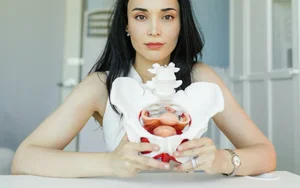
Life After Hysterectomy
Hysterectomy is a surgical procedure that involves the removal of a woman's uterus. While this operation can be a lifesaver in certain medical situations, it can have a significant impact on a woman's pelvic health. In this blog, we will explore the role of Pelvic Floor Physiotherapy in the rehabilitation post-hysterectomy, shedding light on how these two seemingly distinct aspects of women's health can work together for a healthier and happier life.
⭐ KEY TAKEAWAYS
A hysterectomy can significantly affect pelvic floor function due to changes in support structures, ligaments, and pressure distribution within the pelvis.
Common post-hysterectomy symptoms include pelvic organ prolapse, urinary incontinence, pelvic pain, constipation, and changes in sexual function.
Pelvic Floor Physiotherapy is one of the most effective rehabilitative approaches for restoring pelvic strength, mobility, nerve function, and bladder/bowel control after a hysterectomy.
Rehabilitation focuses on scar tissue mobility, coordinated pelvic floor strengthening, improving core stability, and addressing overactivity or weakness.
Physiotherapy can help at any stage, whether weeks, months, or years after surgery.
Pelvic floor therapy reduces long-term complications such as prolapse, bladder leakage, and pelvic pain.
Early assessment with a pelvic floor physiotherapist leads to better recovery outcomes and prevents chronic issues from developing.
🎥 Watch: Life After Hysterectomy: How Pelvic Floor Physio Helps | Ova Women's Health
A hysterectomy changes how the entire pelvis is supported, and without targeted rehabilitation, many women go on to experience pelvic organ prolapse, urinary incontinence, pelvic pain, and painful intercourse. In this video, our team at Ova Women's Health in Burnaby, BC explains how pelvic floor physiotherapy addresses post-hysterectomy scar tissue, pelvic floor dysfunction, and bladder and sexual health at any stage of recovery.
Understanding Hysterectomy

Before we dive into the role of Pelvic Floor Physiotherapy, it's essential to understand what a hysterectomy procedure is and why it may be performed. A hysterectomy is the surgical removal of the uterus, and in some cases, it may also involve removing the cervix and other reproductive organs. This procedure is often recommended to treat various gynecological conditions, including:
Uterine fibroids
Gynecologic cancer
Persistent pelvic pain
Abnormal uterine bleeding
Hysterectomy can provide relief from these conditions, but it can also have lasting effects on a woman's body, particularly her pelvic floor.
The Impact on Pelvic Health
Hysterectomy can lead to changes in a woman's pelvis. When the uterus is removed, the surrounding structures and organs, including ligaments and supporting tissues, can be impacted. This can contribute to issues such as Pelvic Organ Prolapse (POP), Urinary Incontinence, and Sexual Dysfunction.
Pelvic Floor Physiotherapy: The Missing Piece
Pelvic Floor Physiotherapy is a specialized branch of physiotherapy that focuses on the muscles, ligaments, and connective tissues that support the pelvic organs as well as the entire body. The main goal of Pelvic Floor Physiotherapy is to optimize pelvic health and function. How does it come into play after a hysterectomy?
Rehabilitation: Pelvic Floor Physiotherapy is crucial for rehabilitating the pelvic floor muscles, helping to improve their strength, flexibility, and coordination. This can be especially important after surgery, like a hysterectomy, which may cause muscle weakness.
Addressing Incontinence: Many women experience urinary incontinence after a hysterectomy. Pelvic Floor Physiotherapy can provide exercises and techniques to help manage and resolve this issue.
Preventing Prolapse: A strong pelvic floor is essential in preventing Pelvic Organ Prolapse. Physiotherapists can teach exercises to reduce the risk of these complications.
Pain Management: Some women may experience pelvic pain after a hysterectomy. Pelvic Floor Physiotherapy can provide relief through various therapeutic approaches.
Sexual Function: Hysterectomy can impact sexual function in many ways. Pelvic Floor Physiotherapy can help women regain confidence and pleasure in their intimate relationships through techniques designed to address these issues.
The Road to Recovery
The journey to recovery after a hysterectomy is not one-size-fits-all. Pelvic Floor Physiotherapy provides a tailored approach, focusing on individual needs and concerns. Sessions typically involve a combination of exercises, manual therapy, and lifestyle recommendations.
Hysterectomy and Pelvic Floor Physiotherapy may seem like two separate chapters in women's health, but they are intricately connected. Pelvic Floor Physiotherapy plays a significant role in post-hysterectomy care by addressing any concerns and as a preventative measure for many complications and dysfunctions.
❓FAQs About Life After Hysterectomy
-
Yes. Pelvic floor physiotherapy is one of the most important components of recovery after a hysterectomy. Because the surgery changes how pelvic organs and tissues are supported, physiotherapy helps restore strength, mobility, coordination, and overall pelvic function.
-
Removing the uterus alters the support system of the pelvis. Ligaments, fascia, and pelvic floor muscles must adapt to new forces, which can lead to urinary incontinence, pelvic organ prolapse, pelvic pain, and painful intercourse. Physiotherapy helps retrain the pelvic floor so it can meet these new demands.
-
Yes. Many women experience urinary leakage, urgency, or frequency after a hysterectomy due to changes in pelvic muscle support. Pelvic floor physiotherapy uses individualized strengthening, coordination training, and bladder retraining exercises to restore healthy bladder function.
-
Short-term healing discomfort is expected, but ongoing pelvic pain is not normal. Persistent pain may be due to pelvic floor muscle tension, scar tissue, nerve irritation, or postural changes. Pelvic floor physiotherapists use manual therapy, mobility training, and relaxation techniques to address these causes.
-
Yes, it can. Some women experience pain during intercourse, reduced lubrication, changes in sensation, or difficulty with arousal. Pelvic floor physiotherapy helps by improving tissue mobility, releasing muscle tension, addressing nerve sensitivity, and optimizing pelvic floor function to restore comfort and pleasure.
-
Yes. When the uterus is removed, other pelvic organs may shift or lose support. Strengthening and coordinating the pelvic floor muscles through physiotherapy is critical for preventing or managing prolapse.
-
While pelvic floor assessment and direct treatment have to be postponed to 12 weeks post -surgery, most women can start gentle rehabilitation around 6 to 8 weeks, after receiving surgical clearance. Early sessions focus on breathing, mobility, coordination, and gentle activation before progressing to more targeted strengthening and treatments.
-
Yes, as long as you have fully healed and have clearance from your surgeon. Internal assessment is gentle, consent-based, and essential for accurately evaluating pelvic floor tone, tension, scar tissue mobility, and overall muscle function.
-
Absolutely. It is never too late to improve pelvic health. Even if your hysterectomy was many years ago, physiotherapy can still help reduce pelvic pain, improve bladder and bowel function, address sexual discomfort, improve scar mobility, and restore overall pelvic strength.
-
Your physiotherapist will:
Review your surgical history and current symptoms
Assess pelvic floor tone, mobility, and coordination
Examine posture, breathing mechanics, and abdominal wall function
Provide manual therapy when indicated
Teach personalized strengthening or relaxation exercises
Offer guidance on bladder, bowel, sexual wellness, and safe movement
Treatment is always tailored to your comfort, pace, and goals.
-
Yes. Scar tissue can restrict movement, irritate nerves, or contribute to pelvic pain, bladder urgency, or discomfort during sex. Physiotherapists use manual scar mobilization techniques to improve tissue movement and decrease symptoms.
-
In many cases, yes. If your hysterectomy involved the removal of the ovaries or impacted hormone balance, pelvic floor physiotherapy can help address dryness, tissue sensitivity, pelvic floor tension, and painful intercourse through education, relaxation training, and personalized strategies.
Why Choose Ova in Burnaby, BC?
At Ova, we see many women navigating the physical and emotional recovery that comes with a hysterectomy, whether it was for prolapse, fibroids, endometriosis, or other complex pelvic conditions. With thousands of pelvic health cases treated in our clinic, we’ve become a trusted name in post-surgical pelvic floor rehabilitation across Burnaby and the Lower Mainland.


We understand that recovery after a hysterectomy is not one-size-fits-all. That’s why we take an individualized approach to care—helping you manage scar tissue, rebuild core and pelvic floor strength, and restore bladder, bowel, and sexual function at your pace. From biofeedback therapy to manual therapy and guided rehab, every treatment plan is designed to meet your body where it’s at.
If you need care sooner, we also offer faster access to appointments, including extended hours and urgent visits. When booking online, you’ll see options for Priority Appointments and Emergency Appointments. Please review the appointment descriptions to ensure you select the one that best suits your needs.
At Ova, we’re not just here to treat symptoms; we’re here to walk with you through recovery, educate you about your body, and help
Ready to Begin?
Don’t wait. The sooner we start, the sooner you can feel relief. Space is limited due to high demand, but if you are ready to take the first step toward recovery, we are here to support you every step of the way.
📌Related Blogs on Our Website
➡️Painful Intercourse: Why It Happens and How We Treat It
➡️Restoring Bladder Control: Treatment of Urinary Urgency and Frequency
➡️Relieving Vulvodynia: A Journey From Pain to Pleasure
➡️Overcoming Endometriosis: The Role of Pelvic Floor Physiotherapy